When it comes to comforting noodle soups, two heavyweights stand above the rest: pho and ramen. Whether you’re a fan of bold, rich broths or light and aromatic ones, both options can hit the spot—but which one is better for you? And what’s the real difference anyway?
If you’ve ever wondered “what is more healthier pho or ramen?” or felt torn in the classic pho vs ramen debate, you’re not alone. Let’s break it all down—from taste and origin to nutrition and convenience—and help you figure out which bowl fits your vibe. (Spoiler alert: VIFON has both!)
Origins: Where It All Started
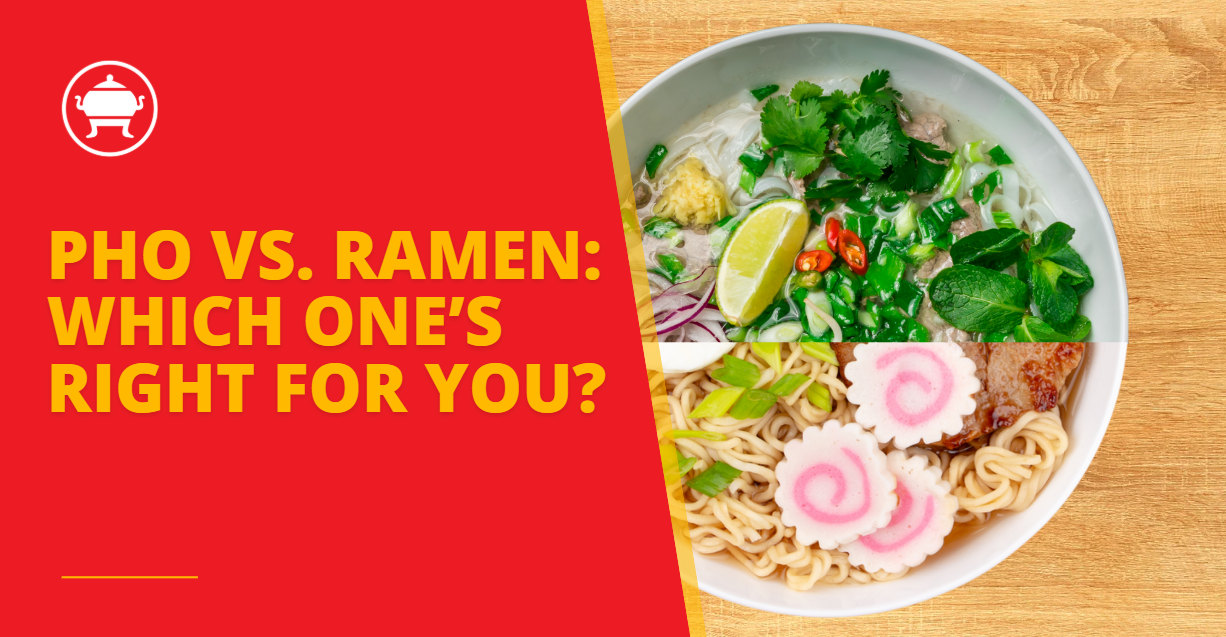
Ramen hails from Japan but was inspired by Chinese wheat noodles. Over time, it evolved into a cultural staple with countless regional styles. Whether it’s the tonkotsu pork broth of Fukuoka or the soy-based shoyu ramen of Tokyo, ramen is known for its rich flavors, chewy wheat noodles, and hearty toppings like pork belly, boiled eggs, and bamboo shoots.
Pho, on the other hand, is a Vietnamese classic. It blends French culinary influence (thanks to colonial history) with Chinese spice and technique. Made with rice noodles, the broth is typically light but deeply aromatic, simmered with ingredients like star anise, cinnamon, clove, and beef bones. It’s often topped with thinly sliced beef, bean sprouts, herbs, and lime.
So: ramen brings the richness, pho brings the freshness.
Taste: Hearty or Herbaceous?
Ramen tends to be more savory and heavy. It’s the kind of soup that fills you up fast and leaves you wanting a nap (in the best way). If you love creamy textures, buttery umami, and chewy noodles, ramen is your match.
Pho, in contrast, is lighter but still deeply satisfying. It’s all about the balance of flavors—fragrant herbs, citrusy notes, and the warmth of spices. You walk away from a bowl of pho feeling full but not weighed down.
It really comes down to mood: do you want something rich and indulgent, or bright and revitalizing?

Nutrition: What Is More Healthier—Pho or Ramen?
Let’s get real—both can be healthy or indulgent, depending on how they’re made.
Traditional pho often comes out ahead nutritionally. It’s typically lower in fat and calories, especially when served with lean cuts of beef and lots of fresh herbs. The rice noodles are also naturally gluten-free, and the broth has a cleaner, less oily finish.
Ramen, especially the tonkotsu kind, can be heavier in fat and sodium. It’s usually made with wheat noodles, and the broth is often enriched with oils and long-simmered bones. Delicious? Absolutely. But lighter? Not so much.
Still, ramen can be made healthier with the right ingredients—and this is where VIFON changes the game.

VIFON: Pho or Ramen, You Choose
No need to stress about picking a side in the pho vs ramen showdown—VIFON offers both, and they’ve taken big steps to make sure each bowl is as tasty as it is smart.
- VIFON’s pho and ramen noodles are steamed, not fried, making them lighter and healthier than many other instant brands.
- They offer vegan and halal-certified options.
- Most importantly, both versions are packed with authentic flavor, thanks to their multi-packet seasoning system that delivers broth depth, spice, and aromatics in every bowl.
And here’s the best part: whether you’re in a dorm, on your lunch break, or just craving something warm and delicious, you can enjoy either in just 3 minutes.
Final Verdict
When it comes to pho vs ramen, there’s no wrong answer—just different vibes for different days. If you’re in the mood for something fresh, herby, and light, pho might be your go-to. If you want something savory, rich, and comforting, ramen is the winner.And with VIFON, you don’t have to pick just one. Keep both on hand and let your cravings decide.