If you’re anything like me, you can’t resist a delicious bowl of noodles or pasta, whether it’s spaghetti, ramen, or another carb-laden comfort meal. However, when it comes to Asian meals, particularly pho, the choice of noodles is never random. The noodles in pho are just as vital as the broth, and there’s a reason why they’re so well-suited to this traditional Vietnamese cuisine.
In this blog, we’ll go into the world of pho noodles, discovering the precise sort of noodles used in pho soup and why they’re the ideal complement to the aromatic broth. Pho noodles, from their texture to their ability to absorb all those savory aromas, are essential for making every slurp worthwhile. Prepare to discover why these rice-based noodles are so unique and how they pull the entire bowl of pho together!
What Noodles Are In Pho?
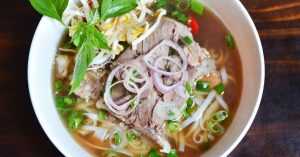
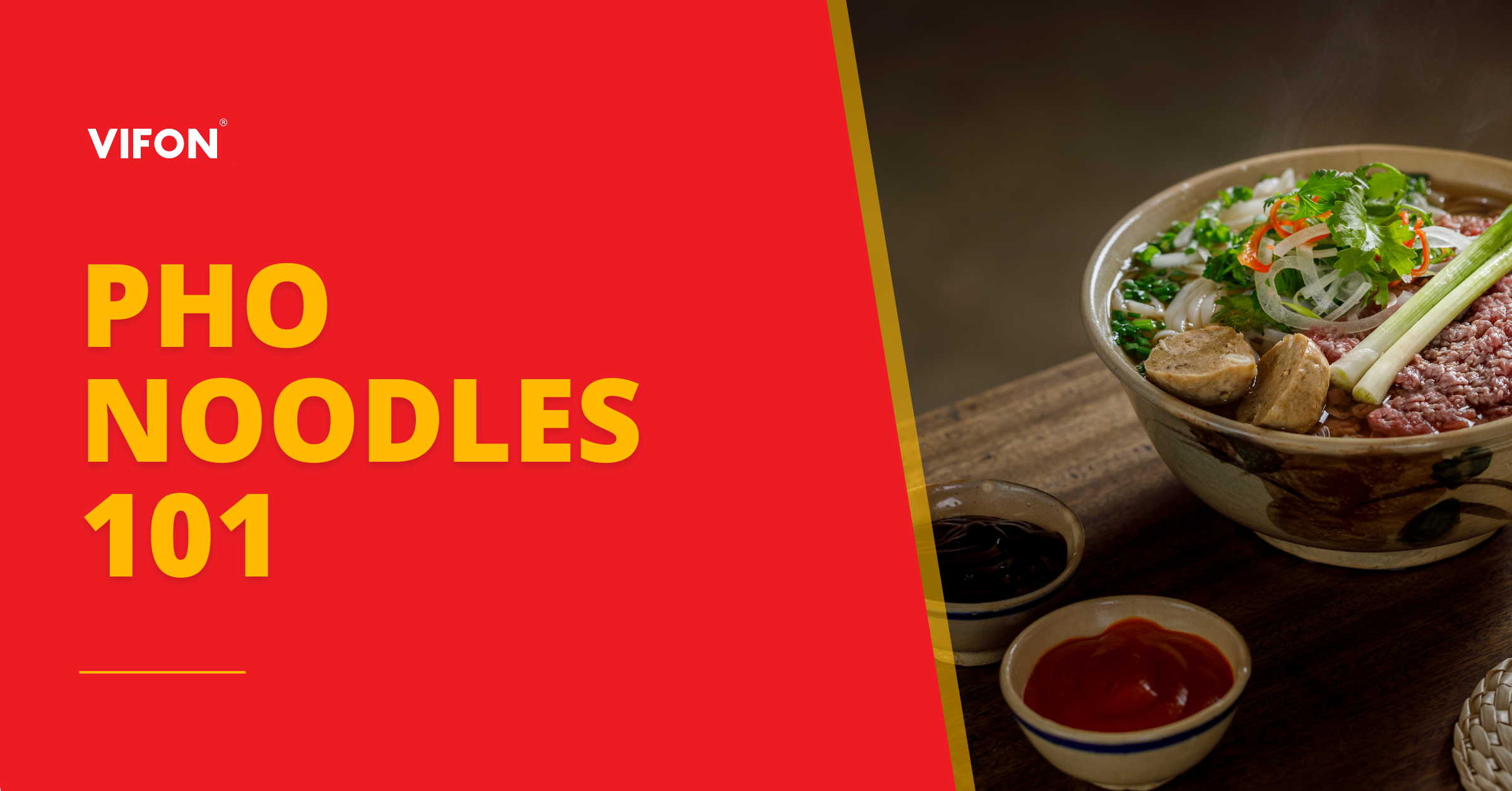
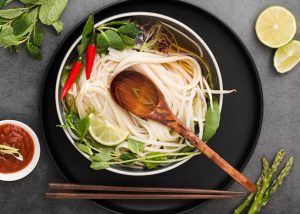
Pho is a Vietnamese dish that’s beloved for its rich, aromatic broth and tender meat, but the noodles are what truly bring it all together. The noodles used in pho are called bánh phở—flat rice noodles made from rice flour and water. These noodles are the foundation of pho, and their unique texture and ability to absorb the broth is what sets them apart from other noodles.
Why are these noodles used?
- Authenticity: Bánh phở noodles have deep roots in Vietnamese culinary culture. They’re made with rice flour, so they have a light, chewy texture that’s ideal for soaking up the rich, delicious broth. Their flat shape allows them to absorb all the goodness of the soup while maintaining a satisfying bite.
- Texture: When cooked properly, bánh phở noodles are tender but with a slight chewy resistance, which makes each slurp enjoyable. The contrast between the soft noodles and the aromatic broth adds to the overall experience of eating pho.
- Versatility: Not only do the noodles absorb the tastes of the broth, but their neutral flavor allows them to match wonderfully with the meat (typically beef or chicken), herbs, lime, and spices. These noodles may be used for both pho gà (chicken pho) with thin noodles and pho bò (beef pho) with thicker noodles, making them adaptable.
Bánh phở noodles are visually beautiful when served with fresh herbs, bean sprouts, and lime wedges, thanks to their smooth, transparent look after cooking. These noodles are the key component of pho. Their texture, ability to absorb flavors, and cultural importance are what elevate a plain noodle soup to the warm, tasty dish that we all enjoy. They’re an essential part of what makes pho so special!
Vifon’s Delicious Rice Pho Noodles!
When you think of rice noodles in a great bowl of pho, instant noodles probably don’t come to mind. With Vifon, that is about to change! Unlike most instant noodle products, Vifon steams their noodles, which keeps them light, delicate, and significantly healthier. It’s a simple adjustment, but it makes a huge impact in flavor and texture.
Plus, Vifon noodles are gluten-free, so you can feel good about every slurp, whether you’re looking for a quick pho fix or want to elevate your homemade bowl. Why not try something new? With Vifon, you get more than just noodles; you get a healthier, tastier way to eat pho. Ready to dive in? Your taste buds will thank you!